
Hexham Abbey, 3rd November 2023

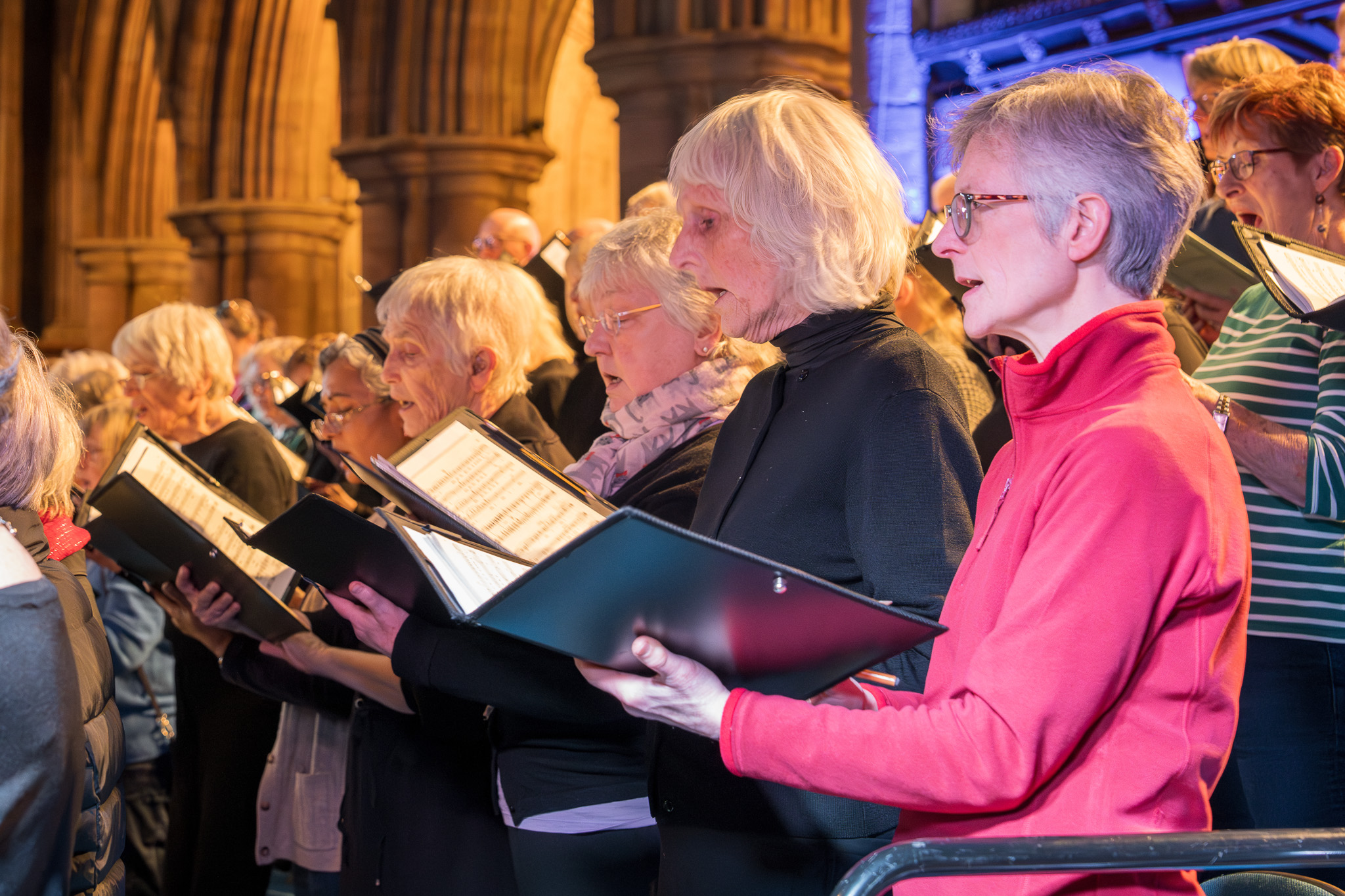

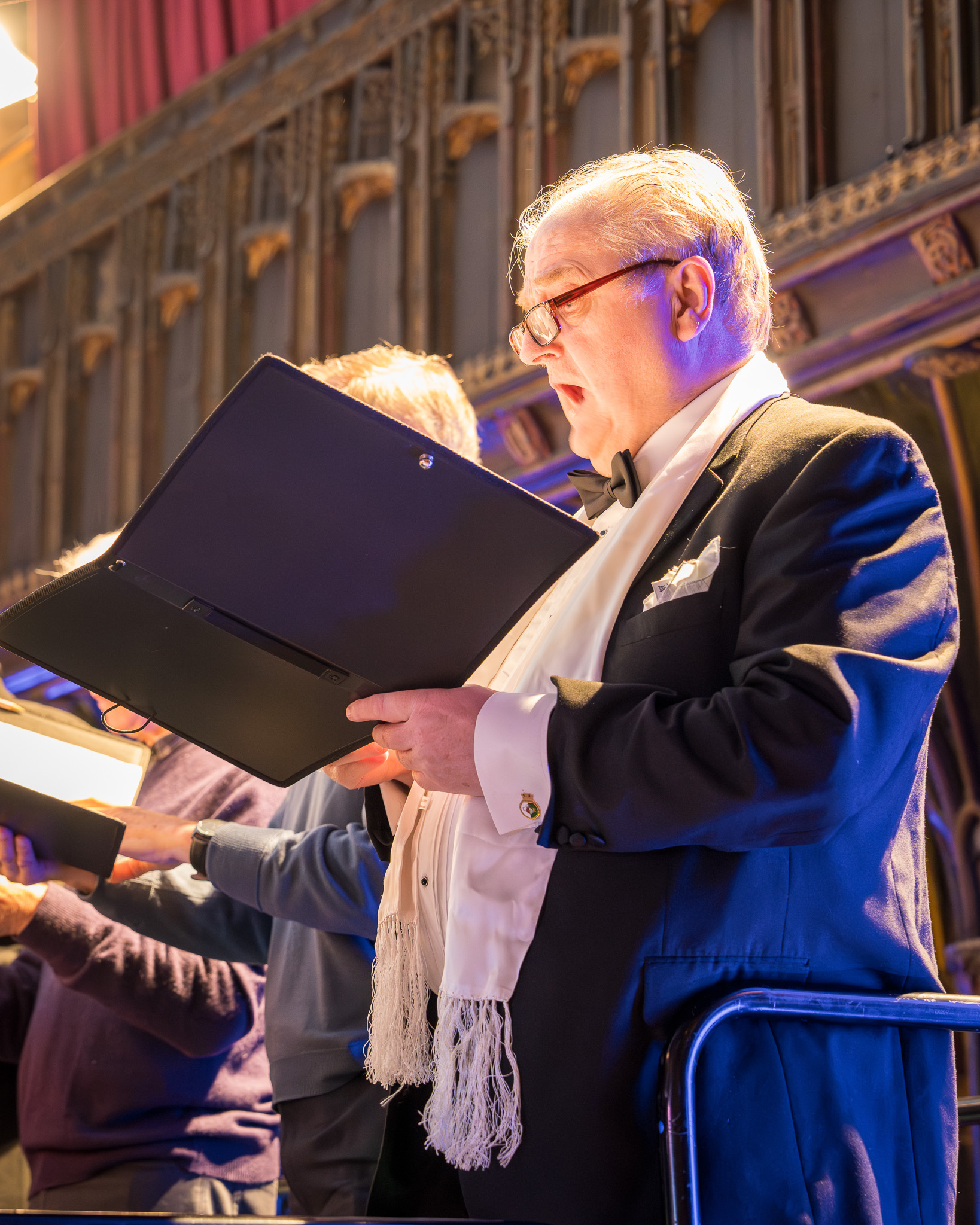
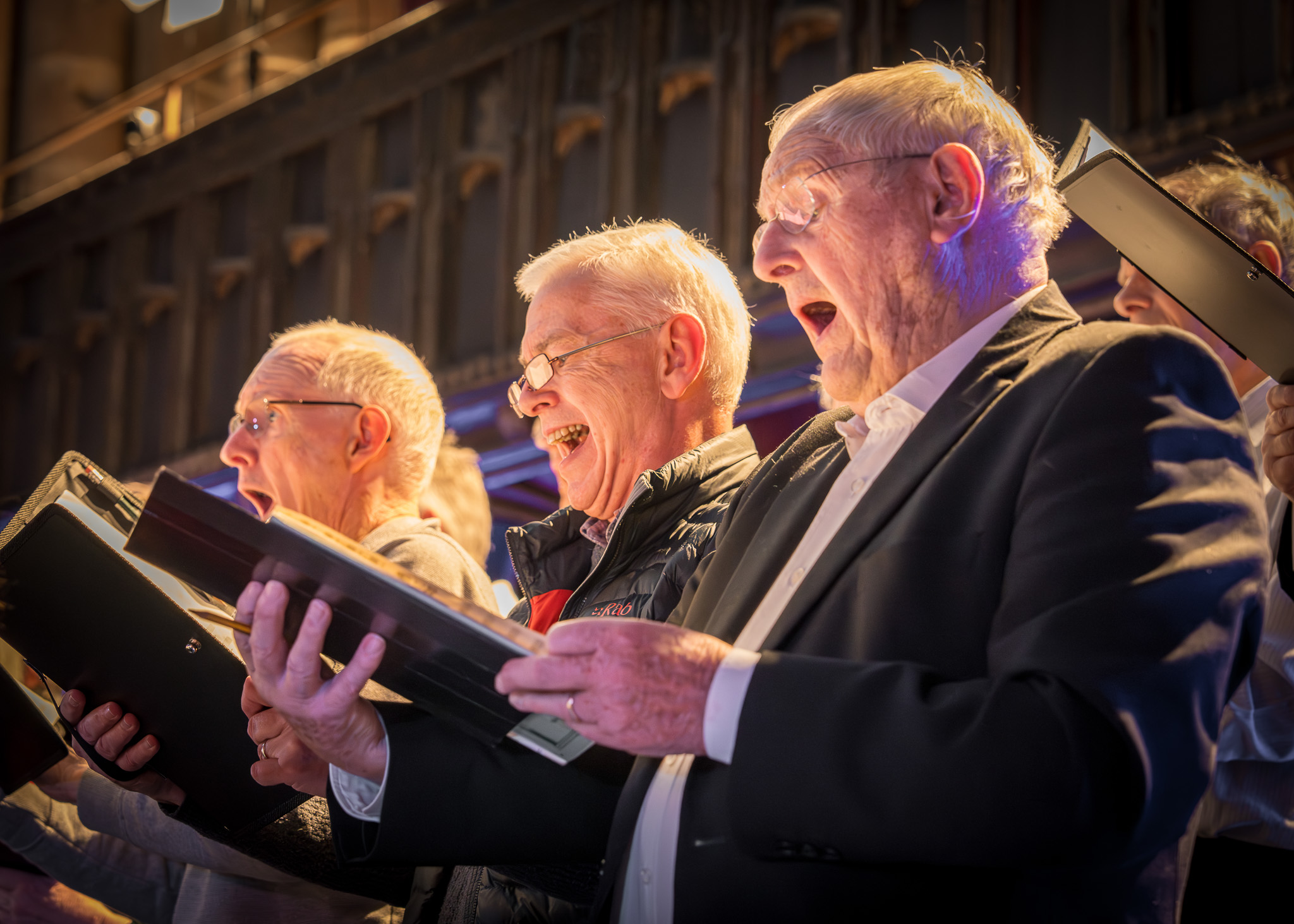
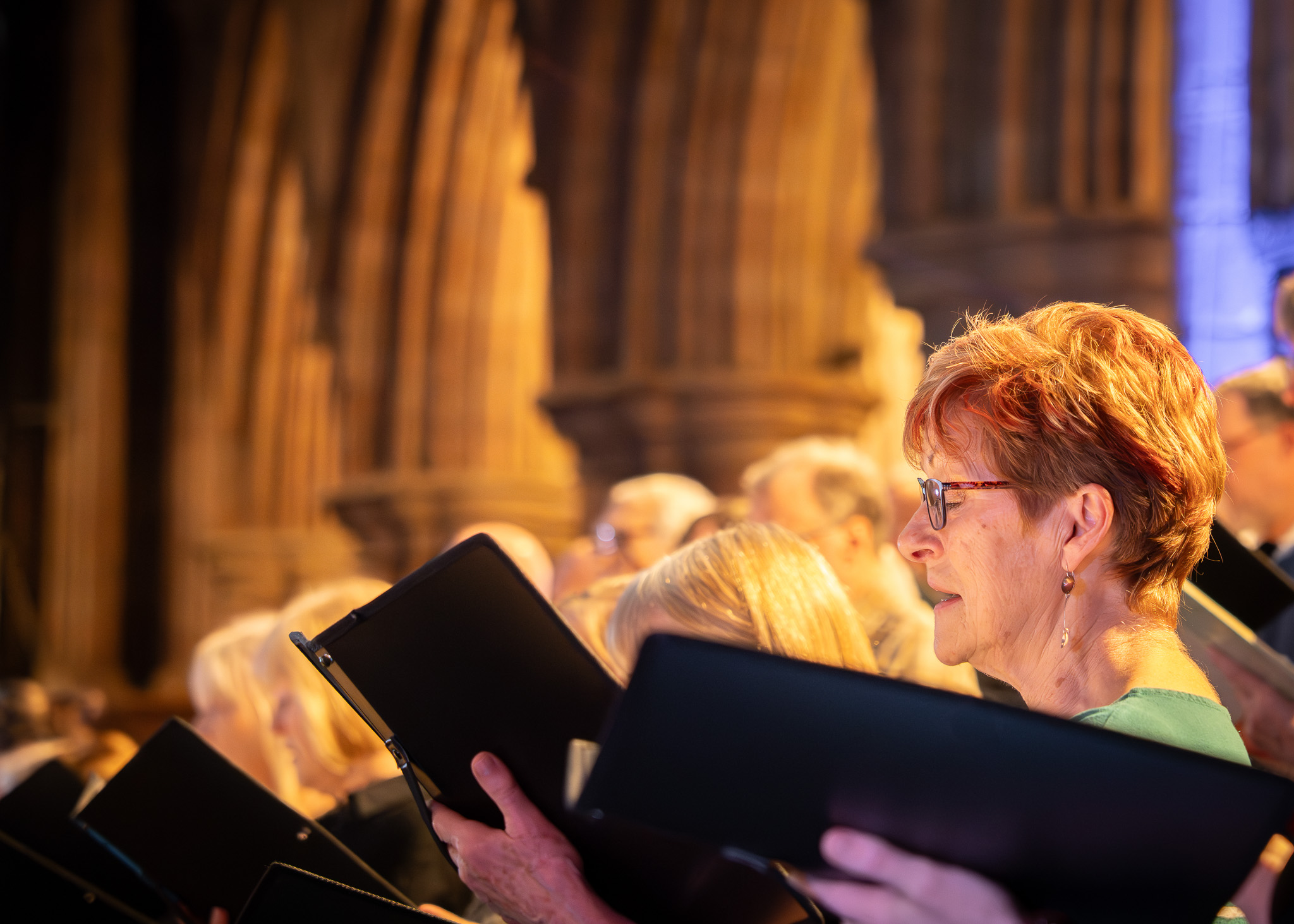


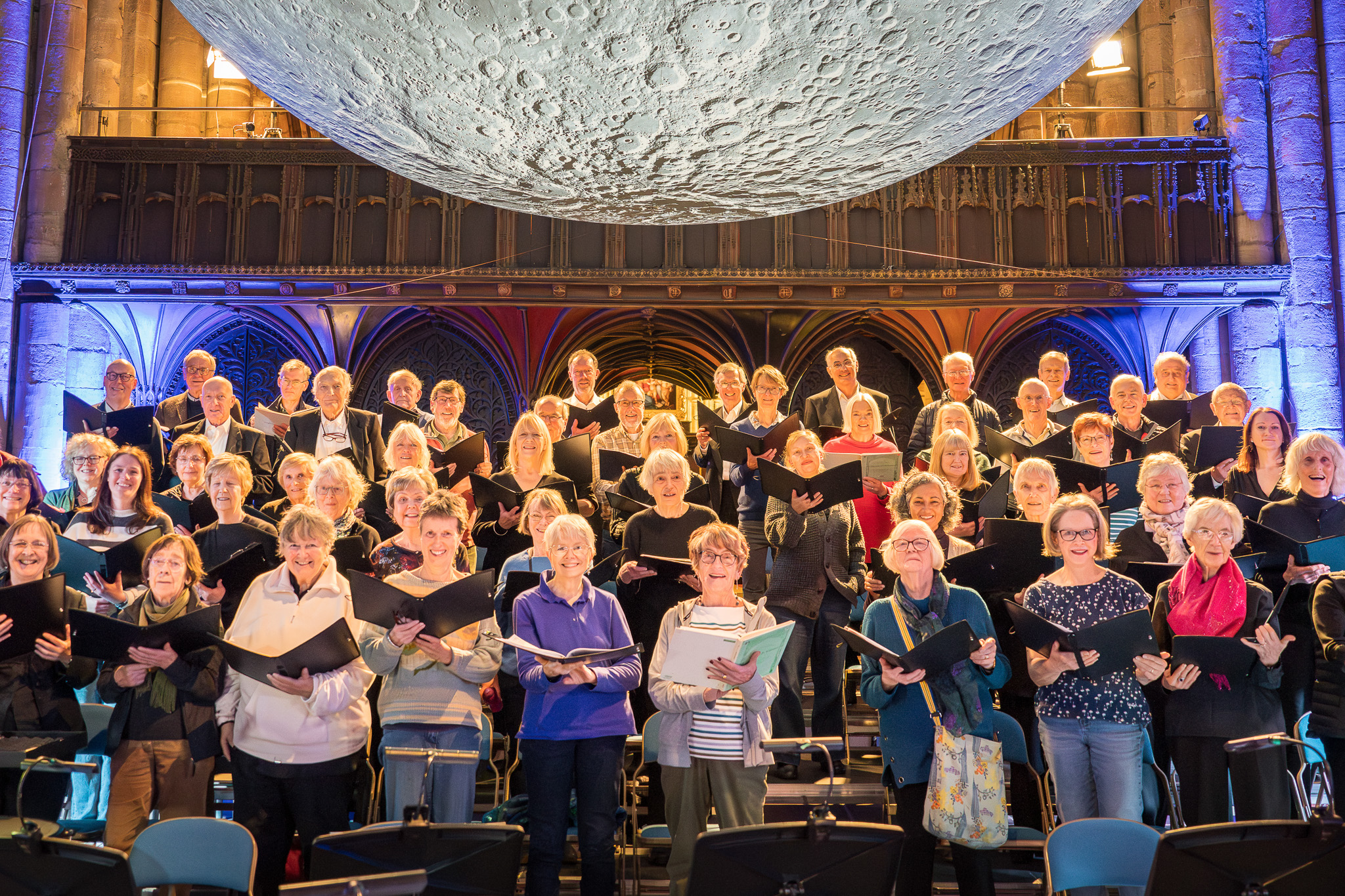
Photography by Alastair Lord
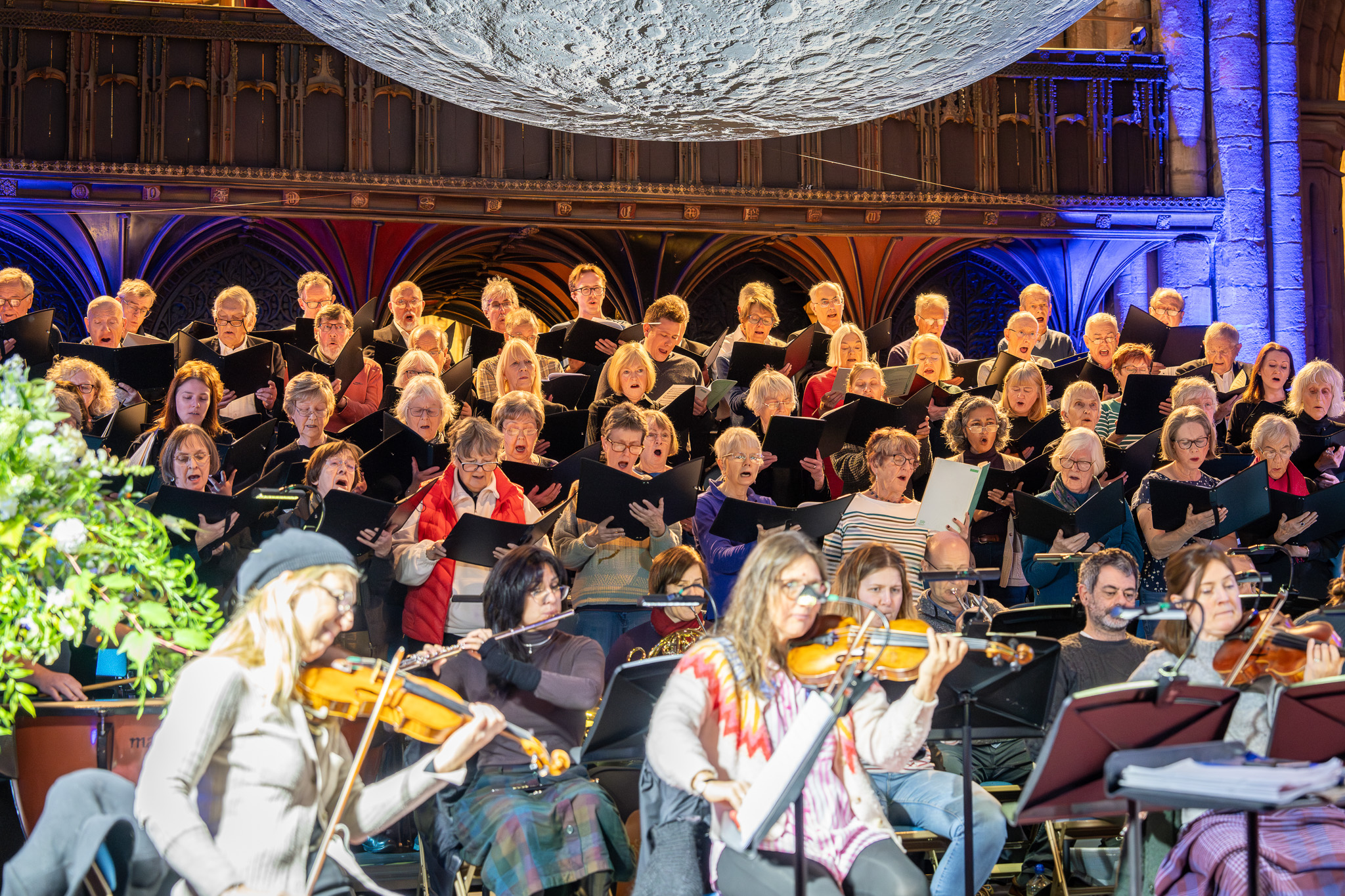
Two days before marvelling at the Hexham Orpheus Choir’s impeccable performance of Puccini’s Messa Di Gloria (composed between 1878 and 1880) I had been to see Opera North’s exhilarating staging of Puccini’s La Rondine (composed between 1913 and 1916). Here we have Puccini at the beginning of his career (the Mass was his graduation work, first performed when he was 22) and towards its end. He died in 1924, his last opera, Turandot, unfinished.
In their different ways both works involve Puccini’s musical past and future. The Mass clearly draws on his musical roots. He grew up in a family of church musicians; he had been both a choir boy and a church organist in Lucca’s Duomo San Paolino. From this perspective his Mass could be heard as a summation of his liturgical abilities, an assertion that he could have followed in his father’s footsteps if he had wanted to. In fact he had already decided that his career as a professional musician would be in the operatic rather than liturgical world. Four decades later La Rondine duly draws on the Nineteenth Century Italian operatic tradition of which Puccini had become a master but it is also clearly a Twentieth Century work, drawing on the looser, less grand emotional terms of popular musical entertainment. If in Puccini’s Mass one can hear religious music as a source of secular pleasure, in La Rondine one can hear opera music as establishing the emotional conventions of film music.
Back in 2018 I attended the Orpheus Choir’s memorable performance of Verdi’s Requiem, the most celebrated work of operatic church music, first performed in 1874. Puccini’s Messa is not a grand work like Verdi’s and approaches the relationship between spiritual and secular feelings, between orchestral and choral expression, in a different way. In the Abbey I experienced the work as a rather remarkable attempt on Puccini’s part to orchestrate clearly distinguished vocal and instrumental sounds into a single sound map.
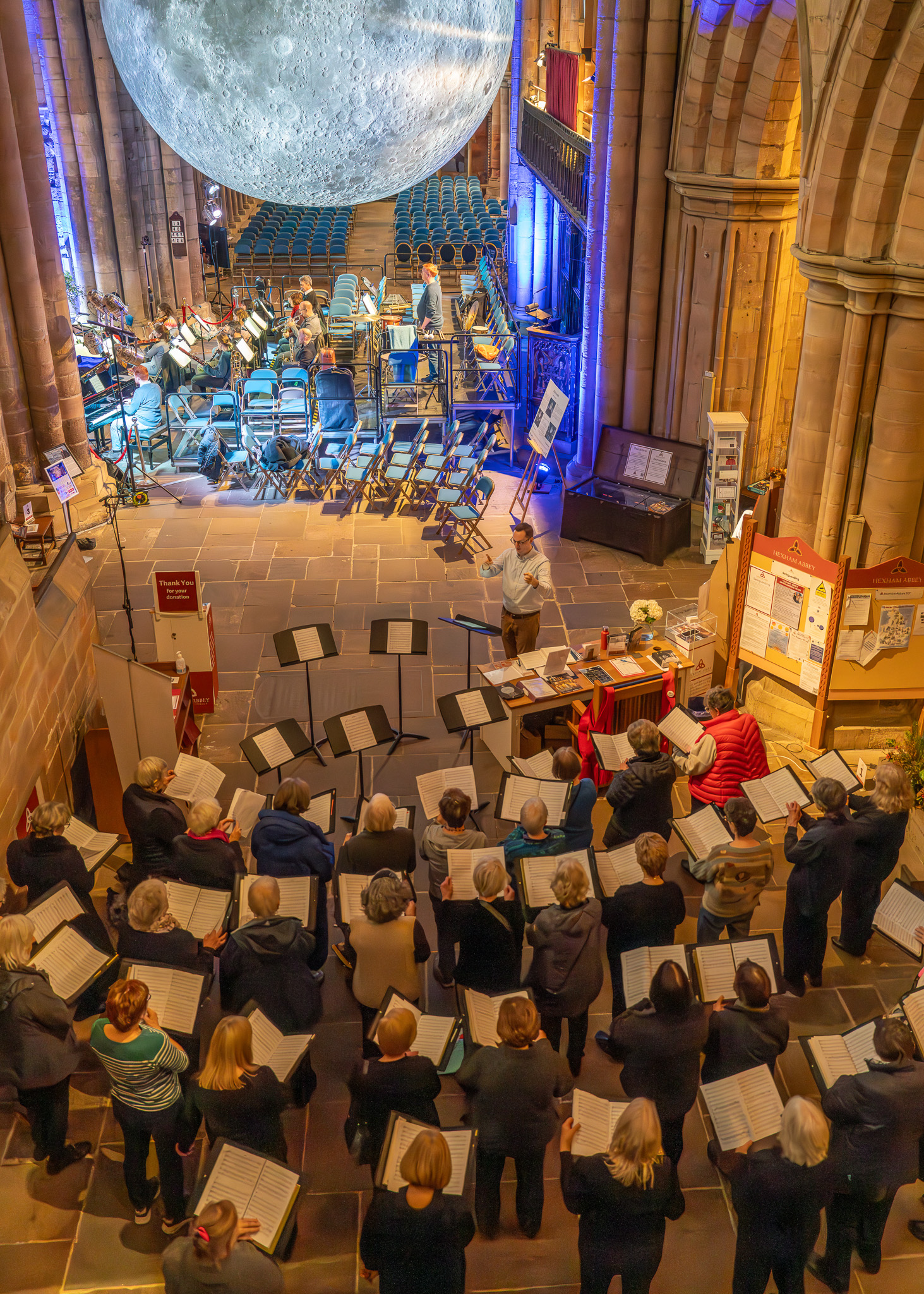
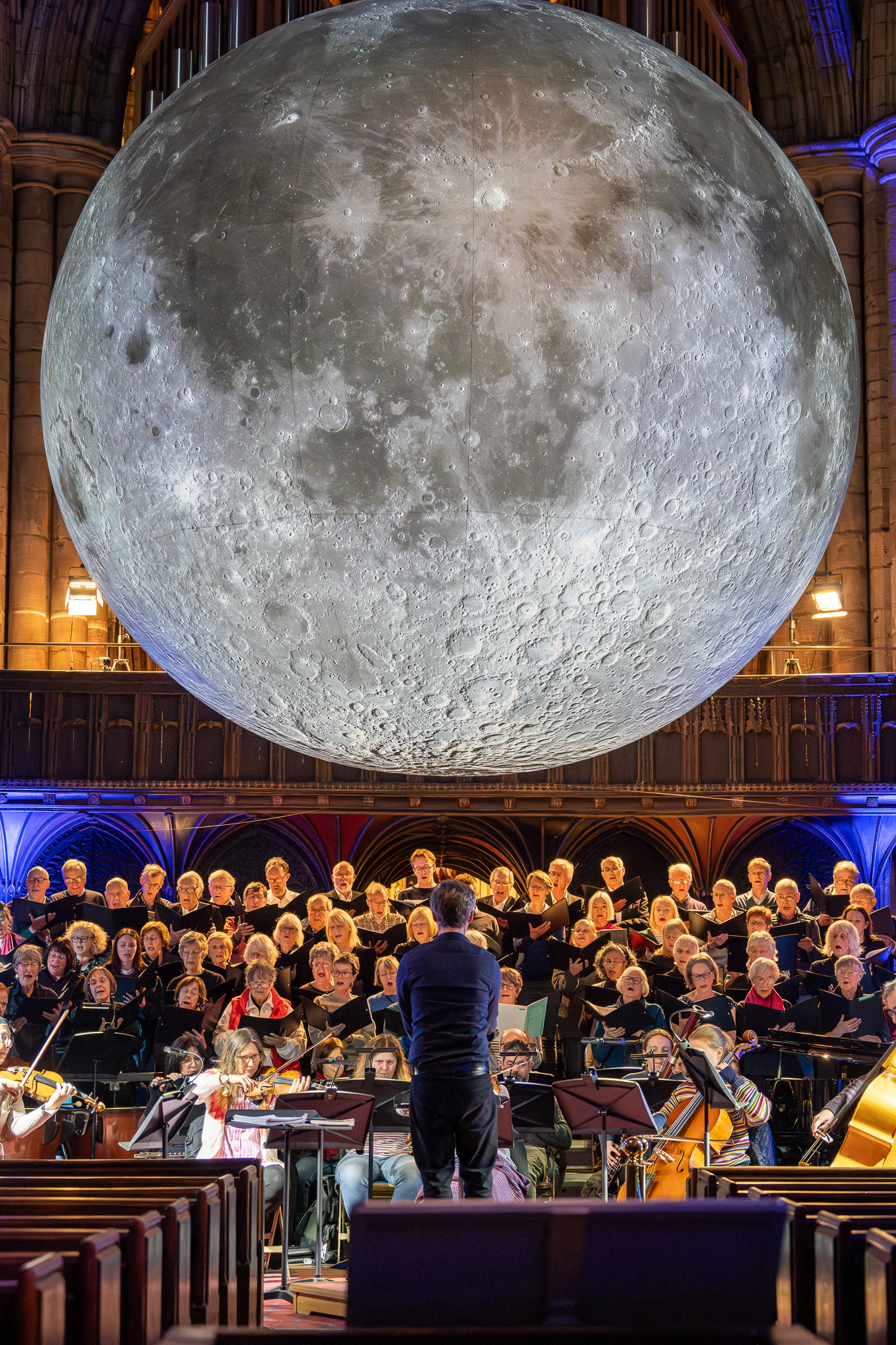
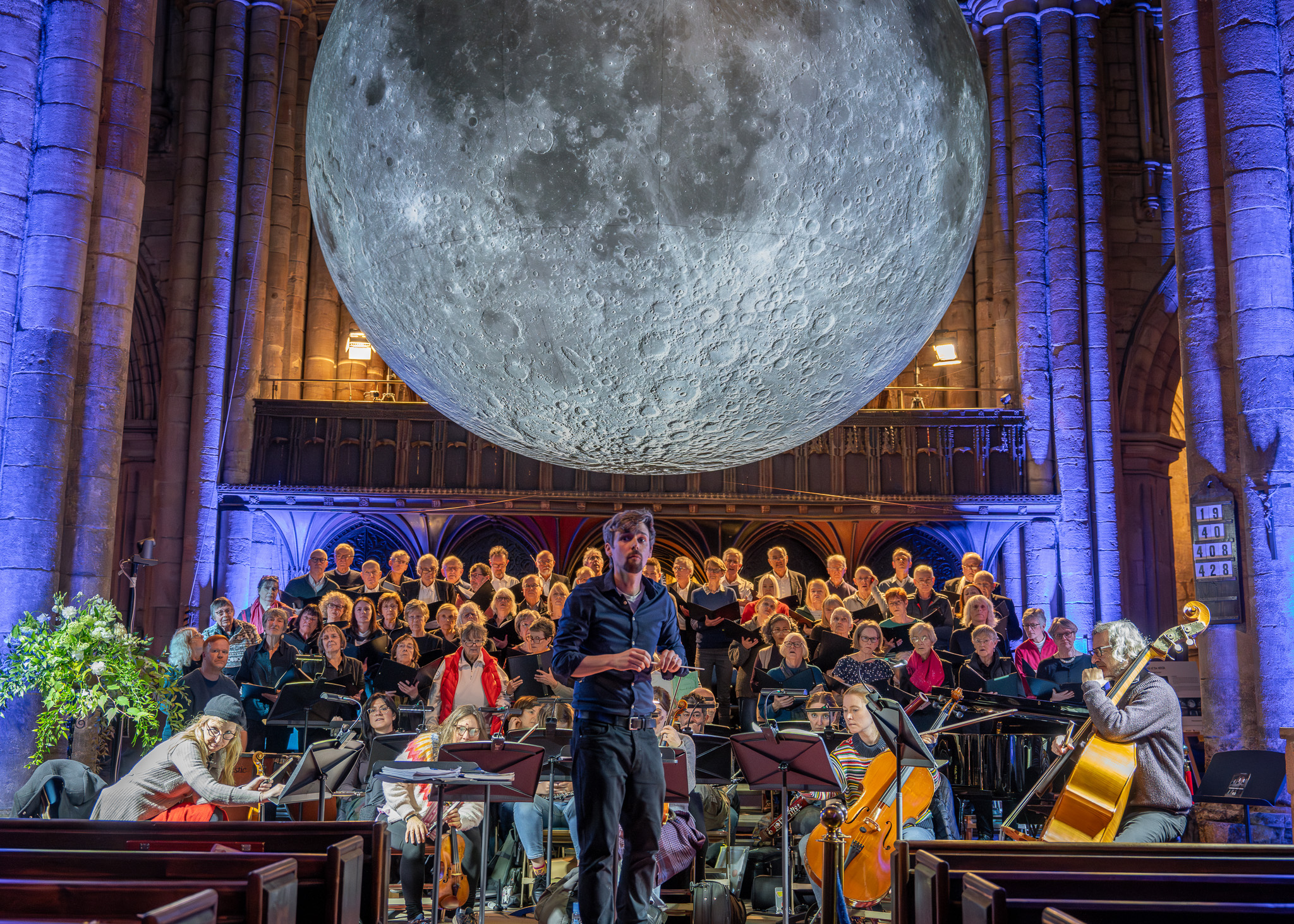
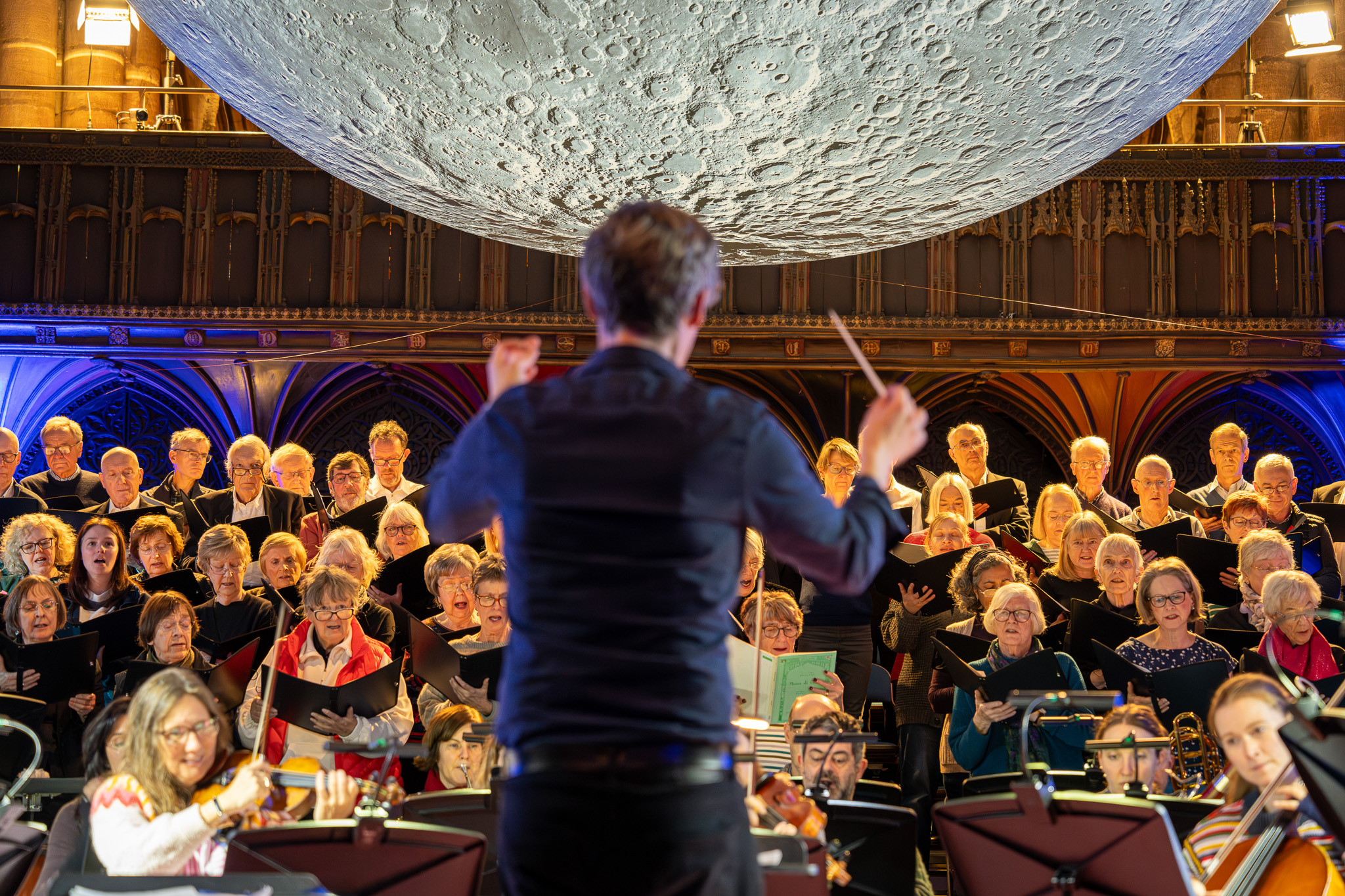
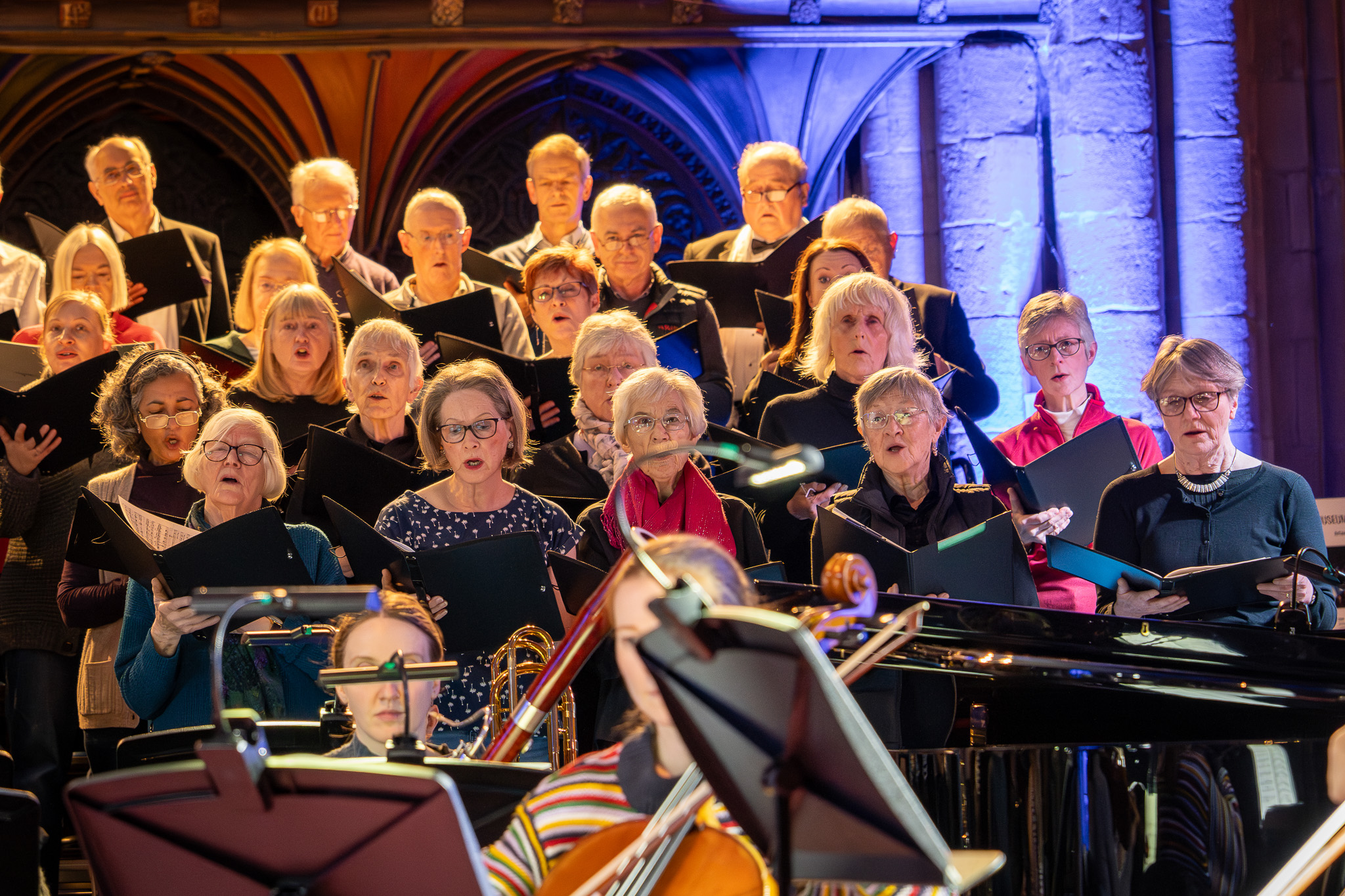
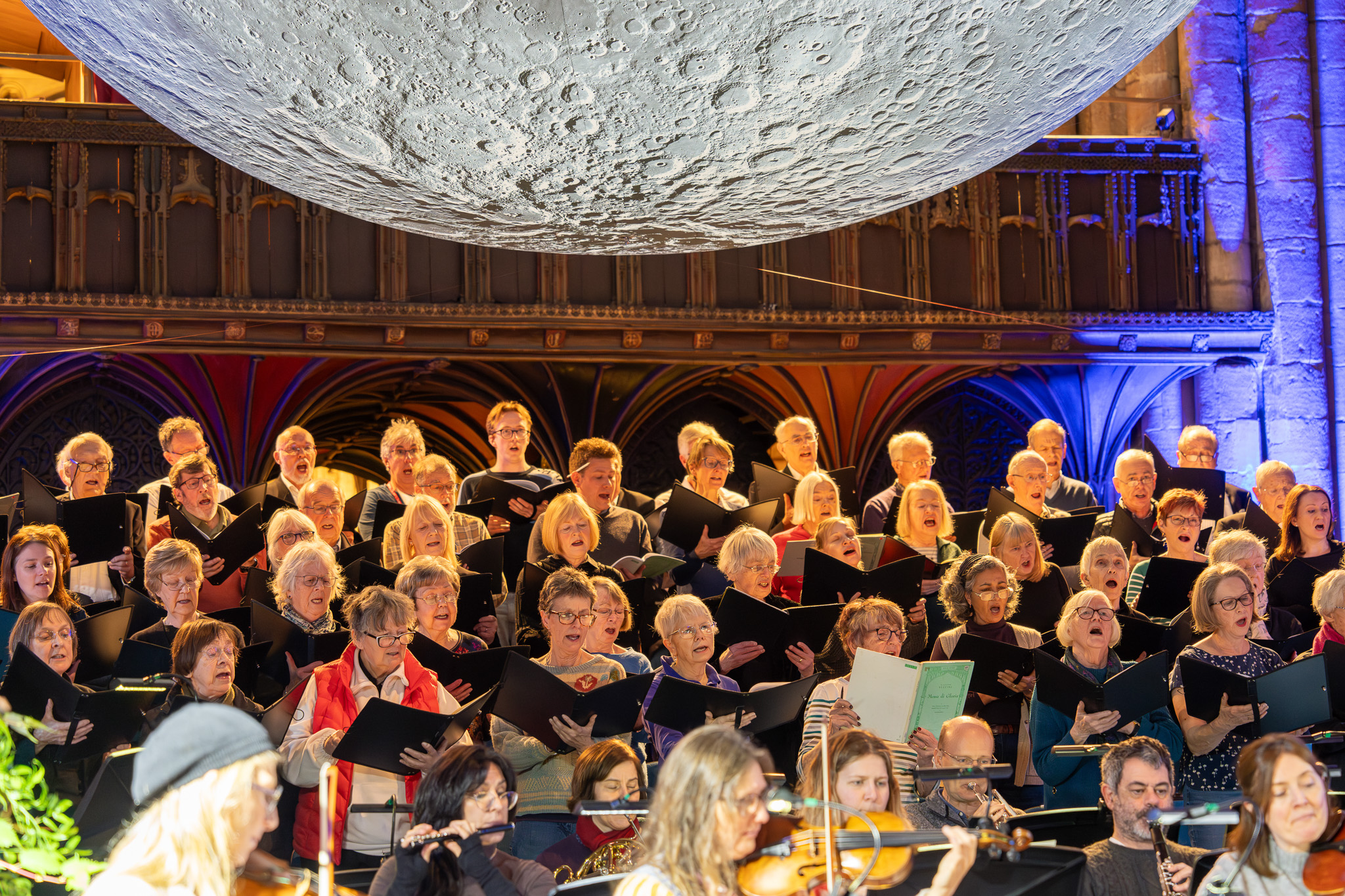
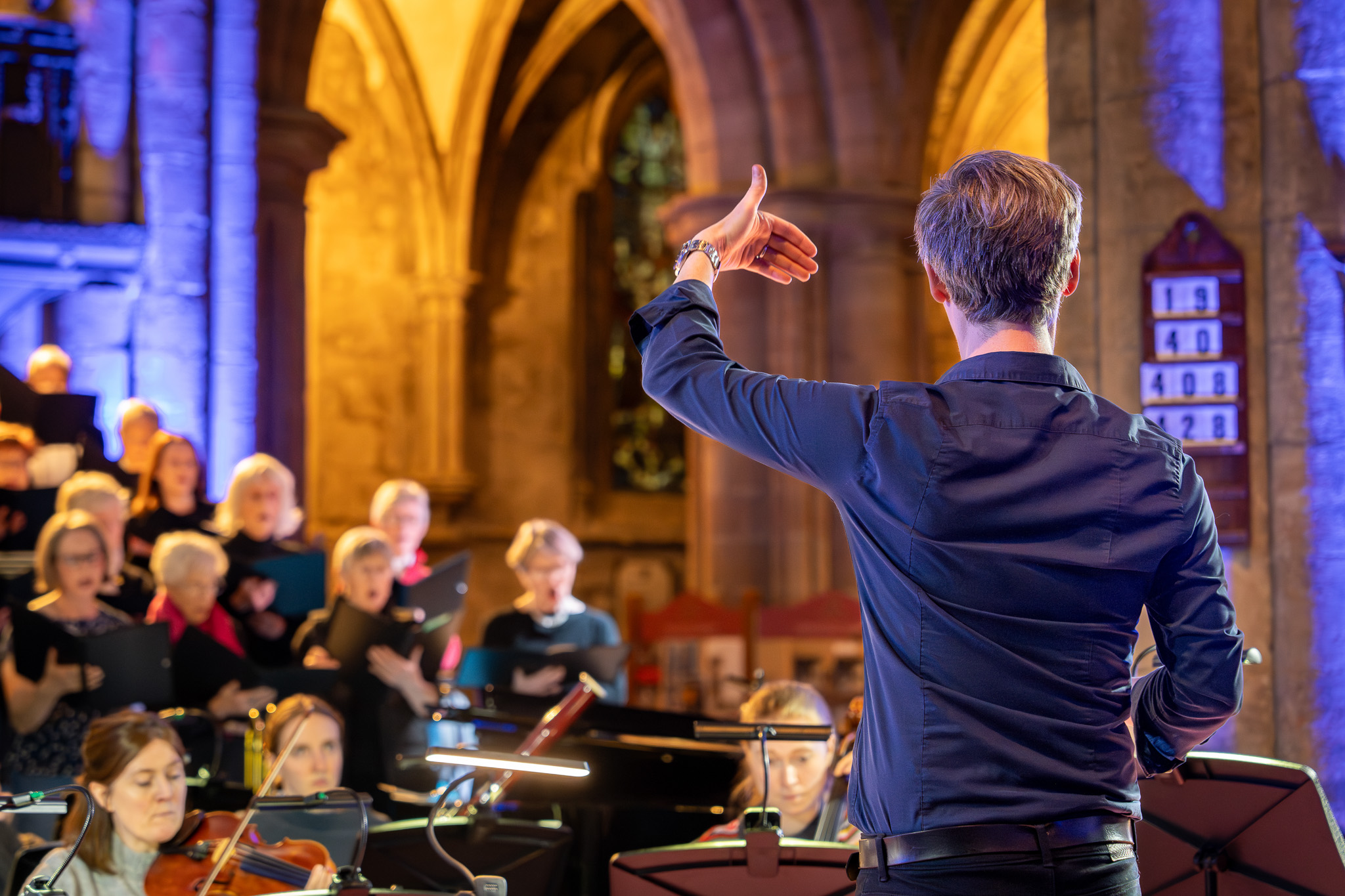
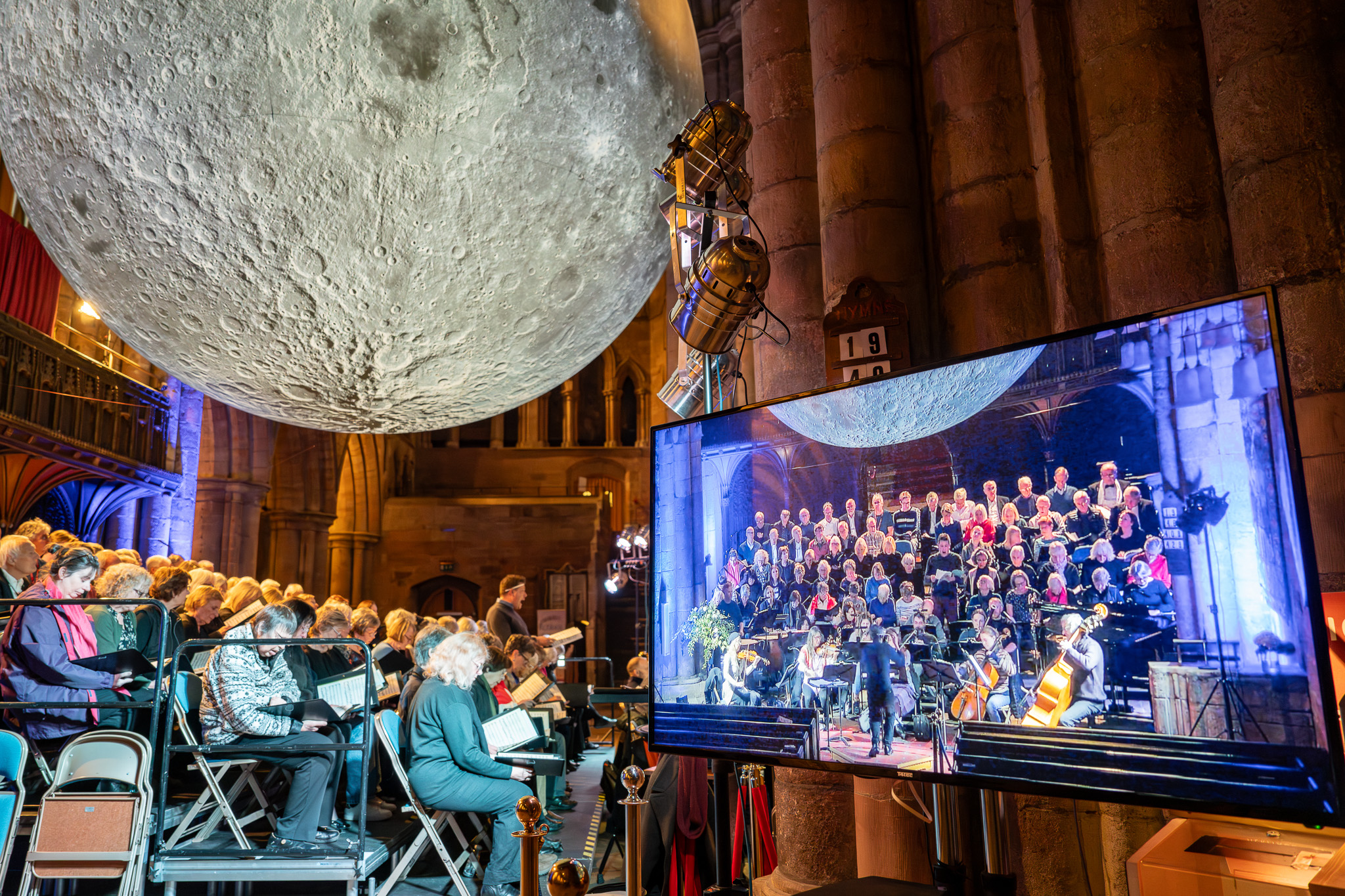
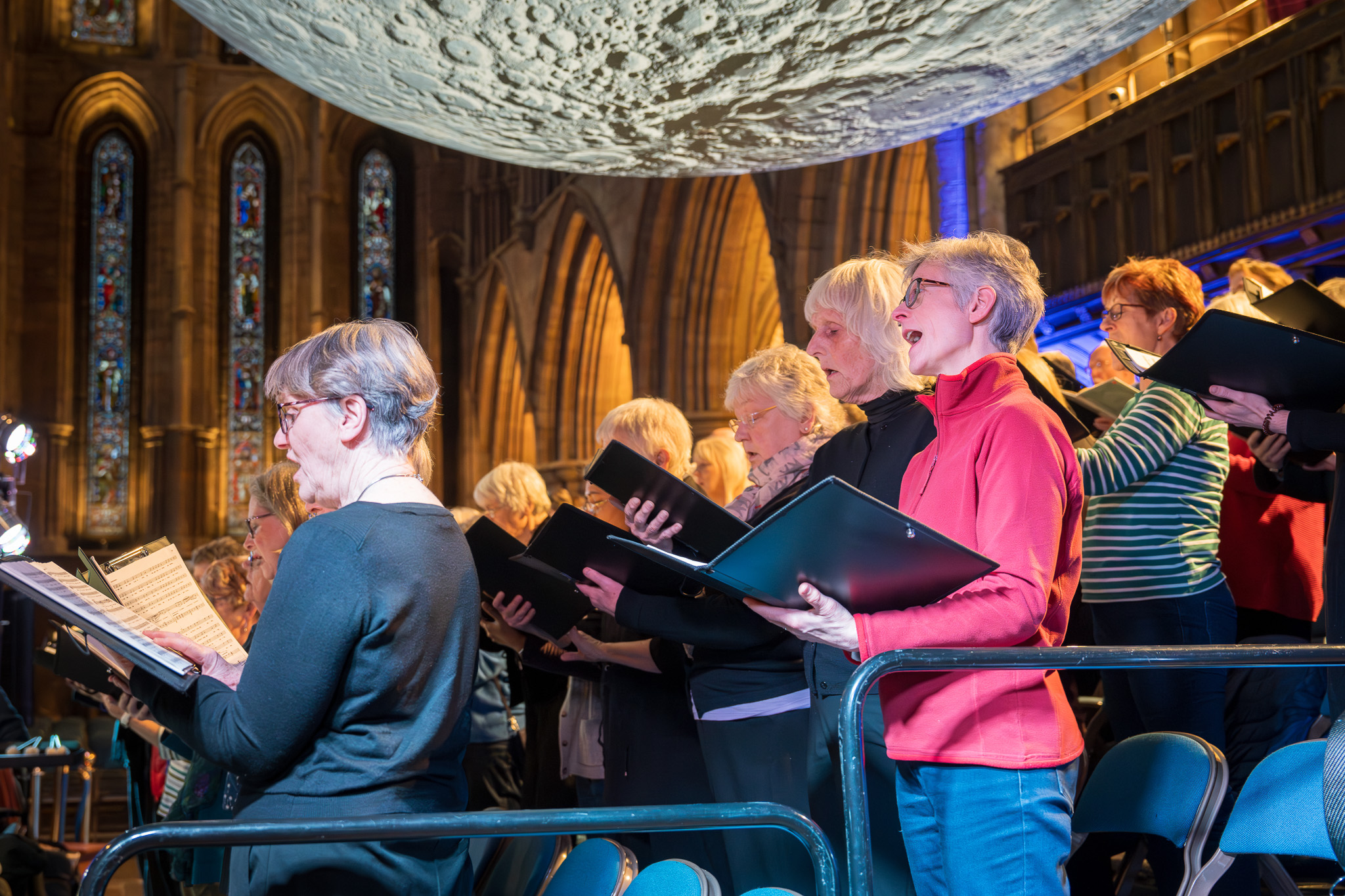
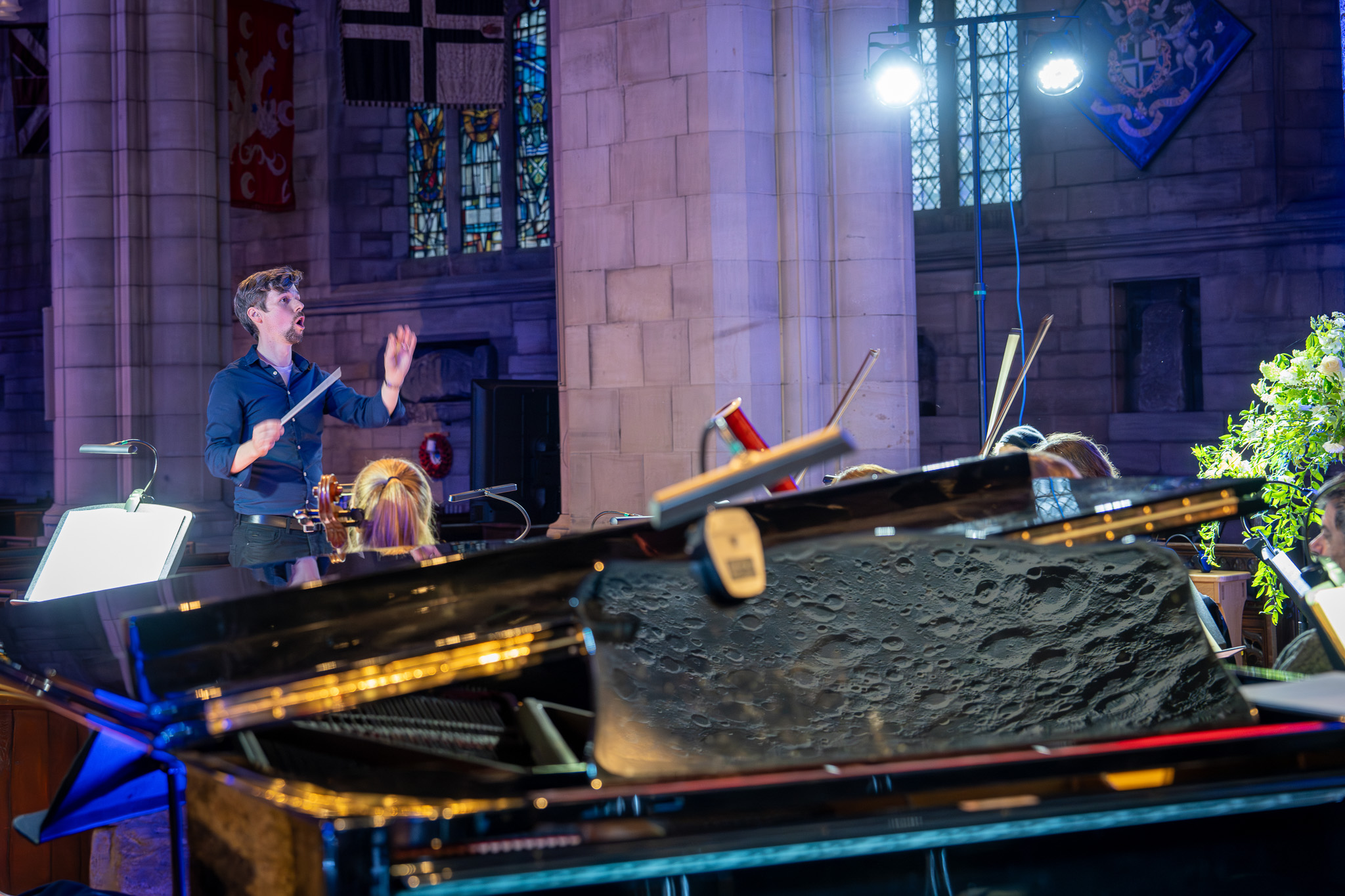
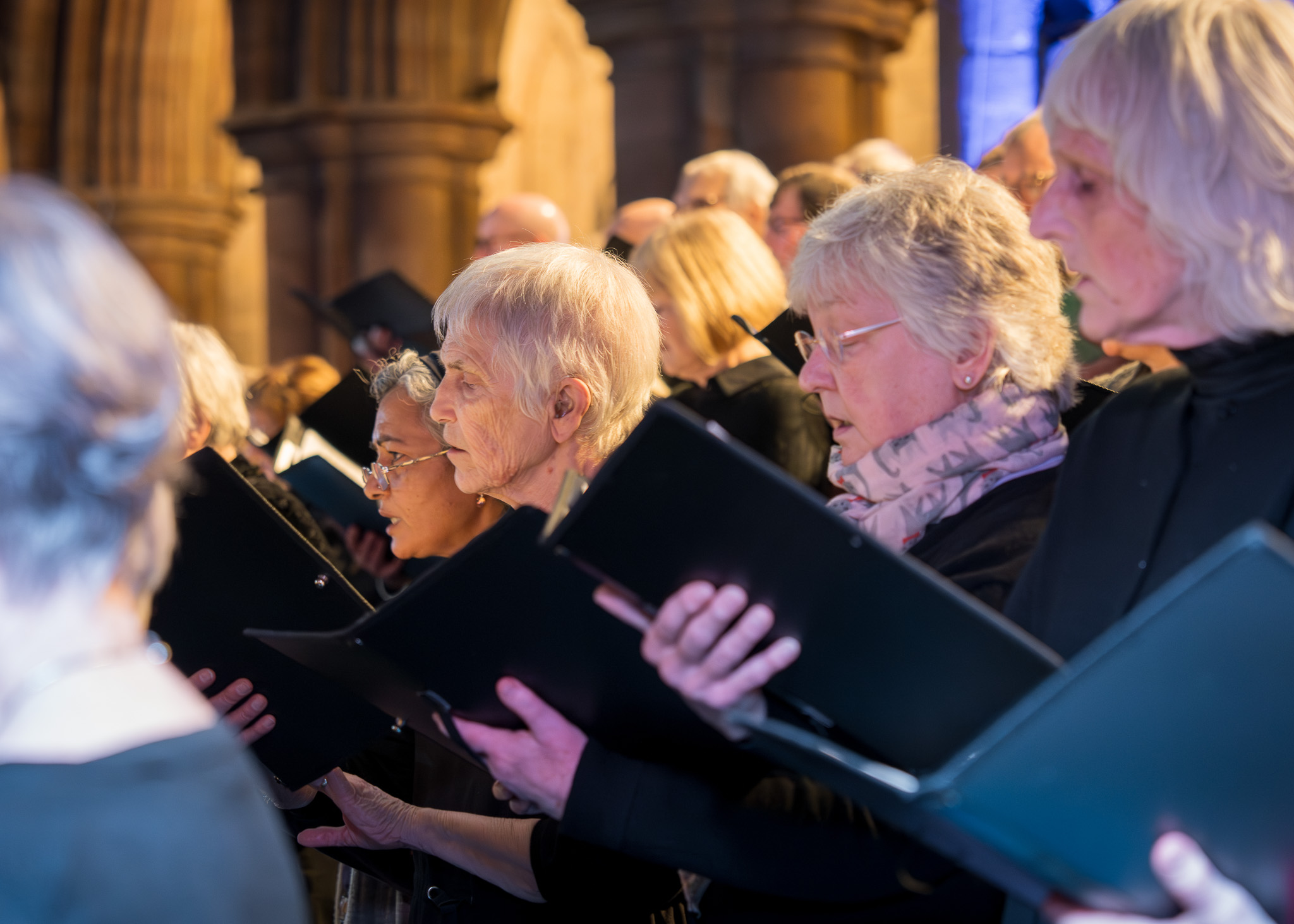
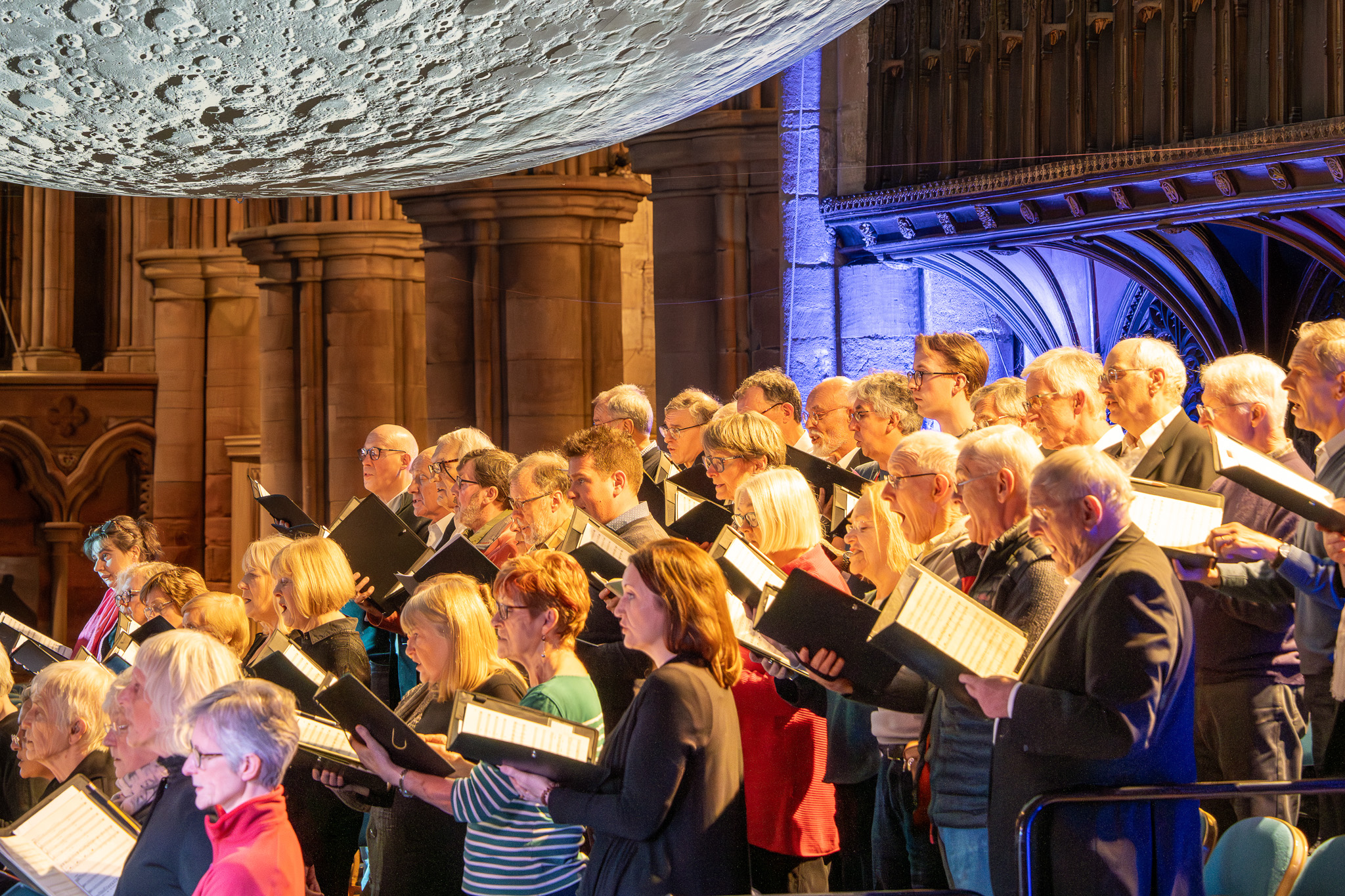
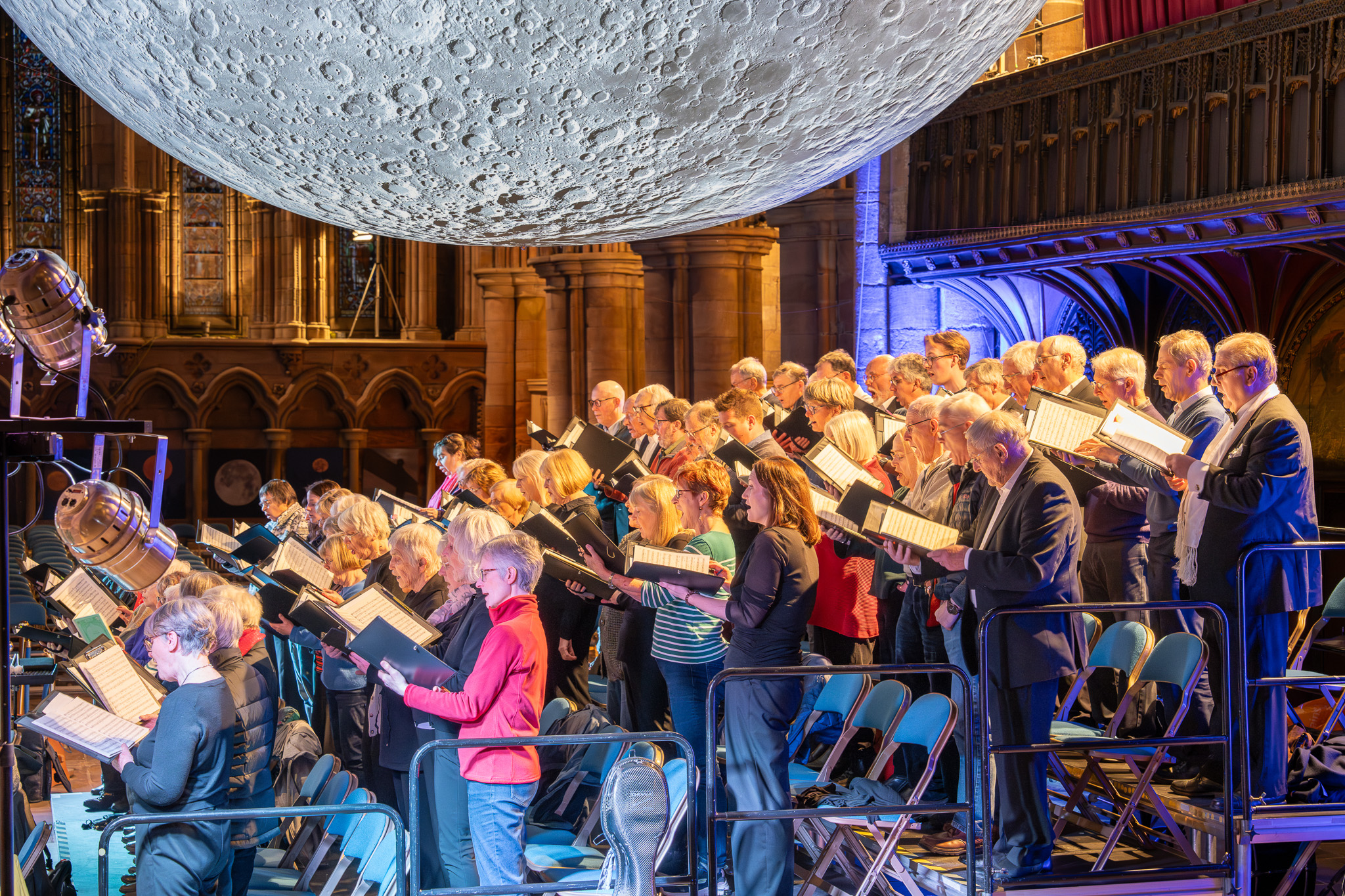
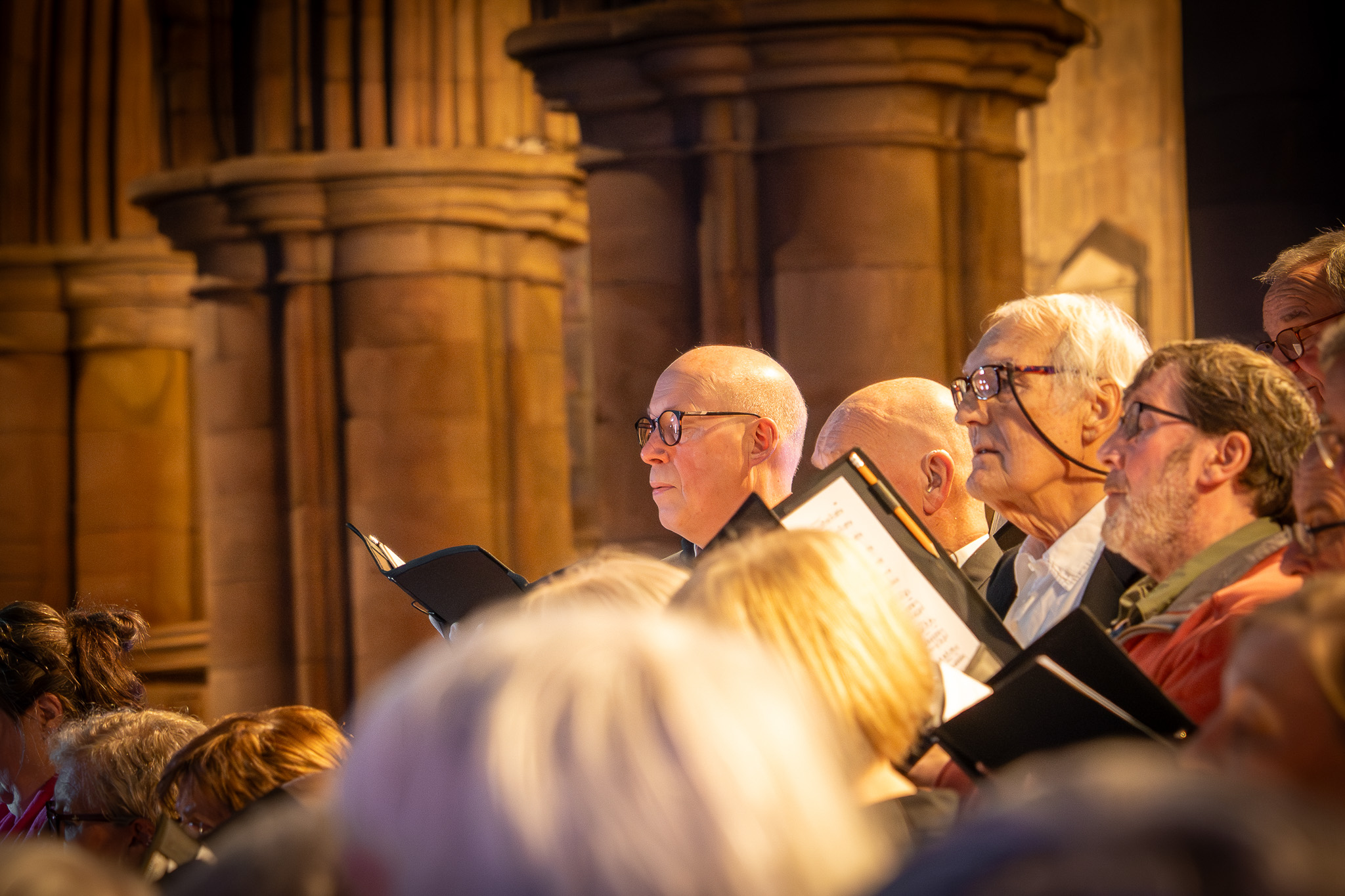
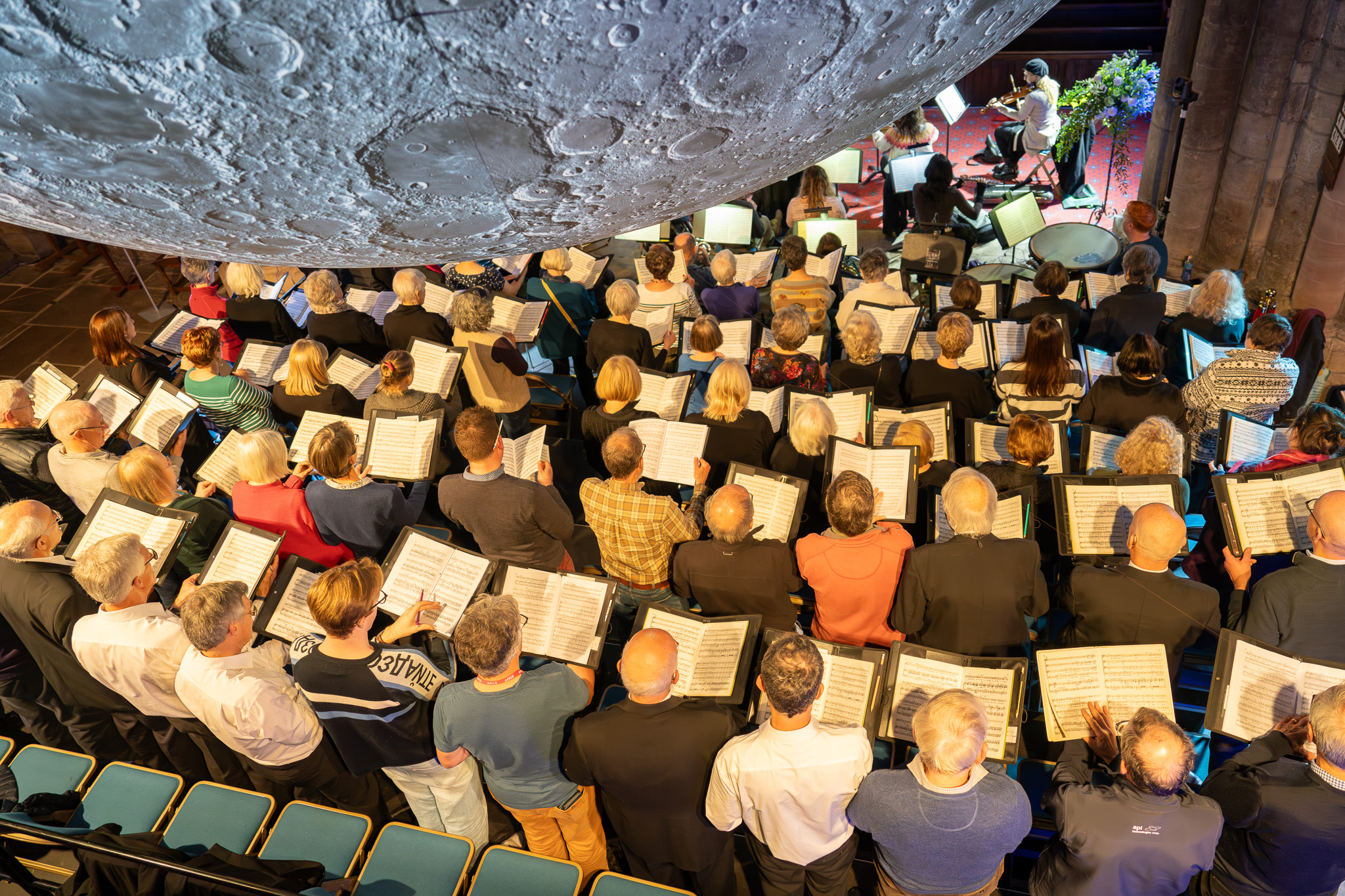
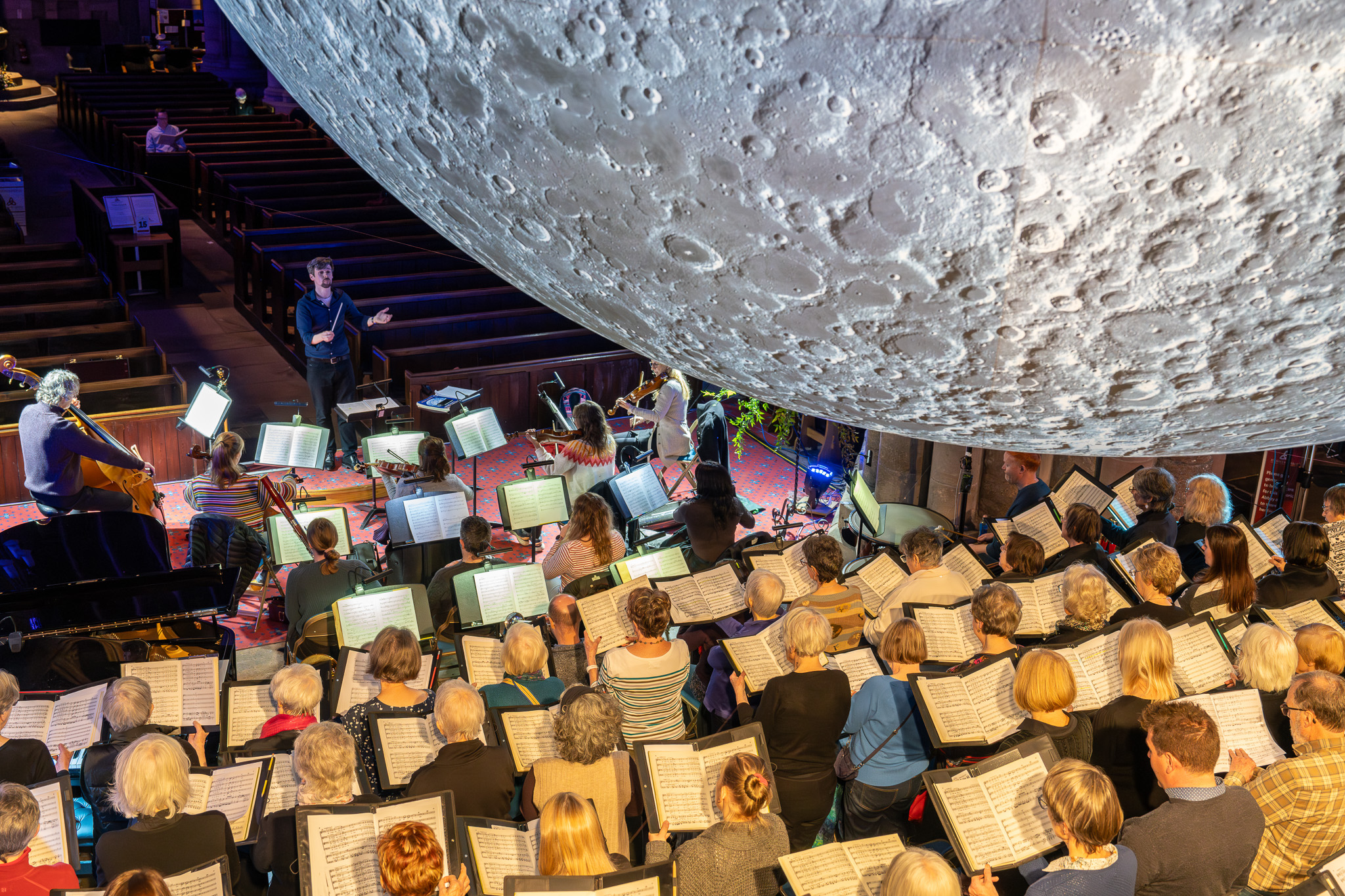
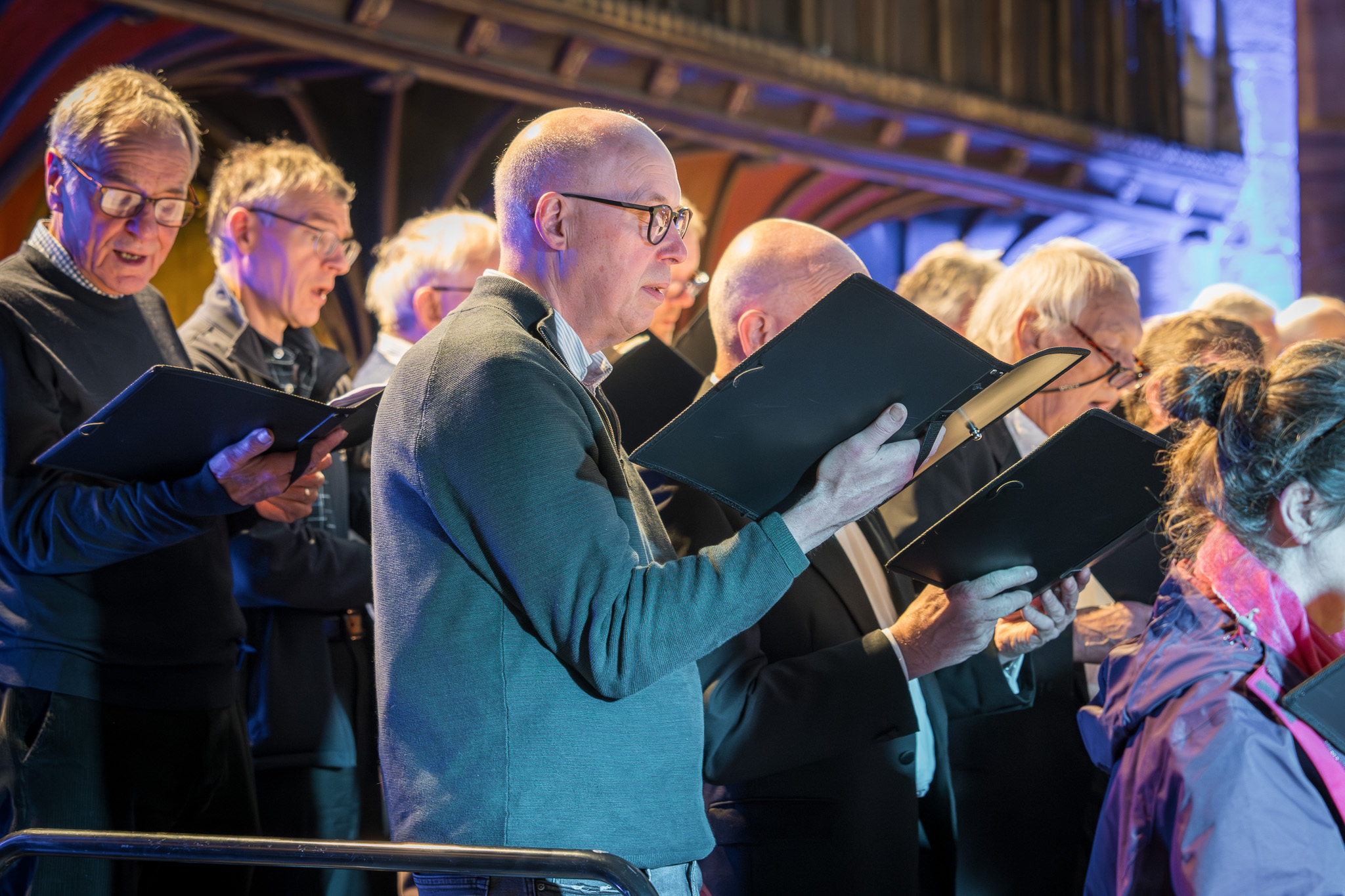
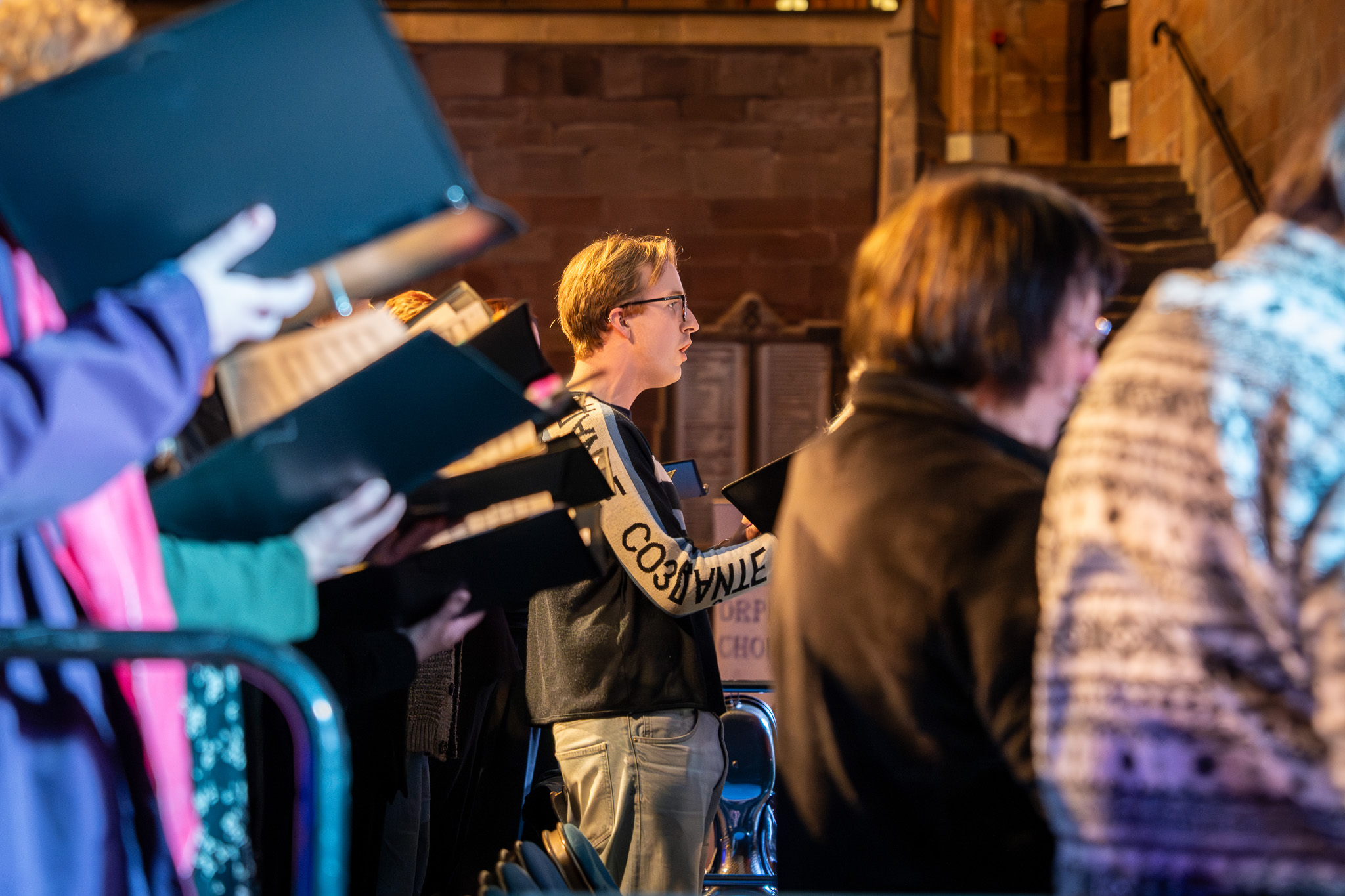
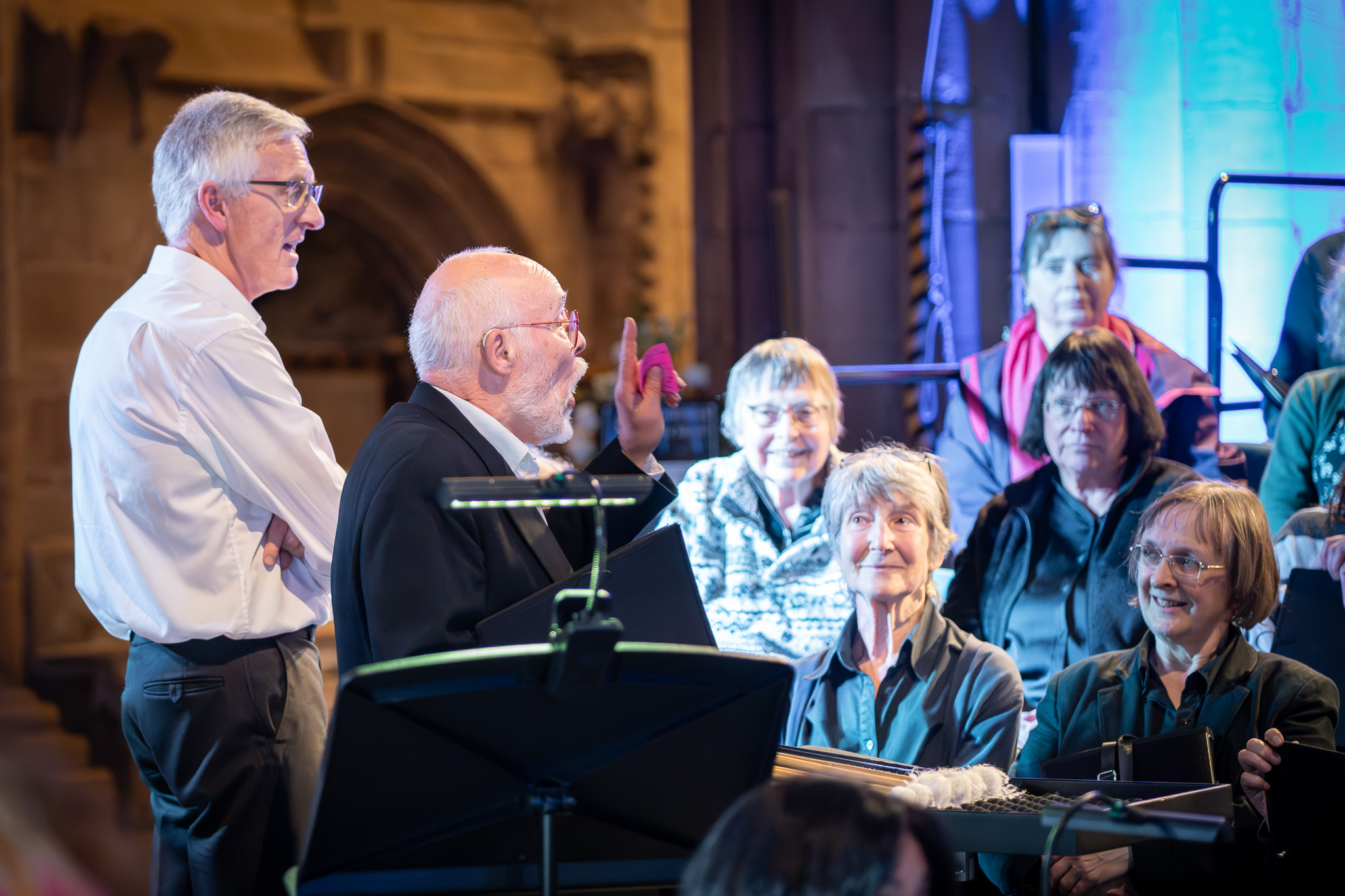
I suspect (as a non-singer) this is more difficult for a choir to achieve than it sounds—the Orpheus Choir was, then, remarkably good, particularly in its control of volume and texture. It helped, of course, that it was working with a top-notch chamber orchestra, and that, as conductor, Mark Edwards is so clear, so unfussy in his directions. He did not so much draw the music out of his singers and players as orchestrate their sounds on the spot.
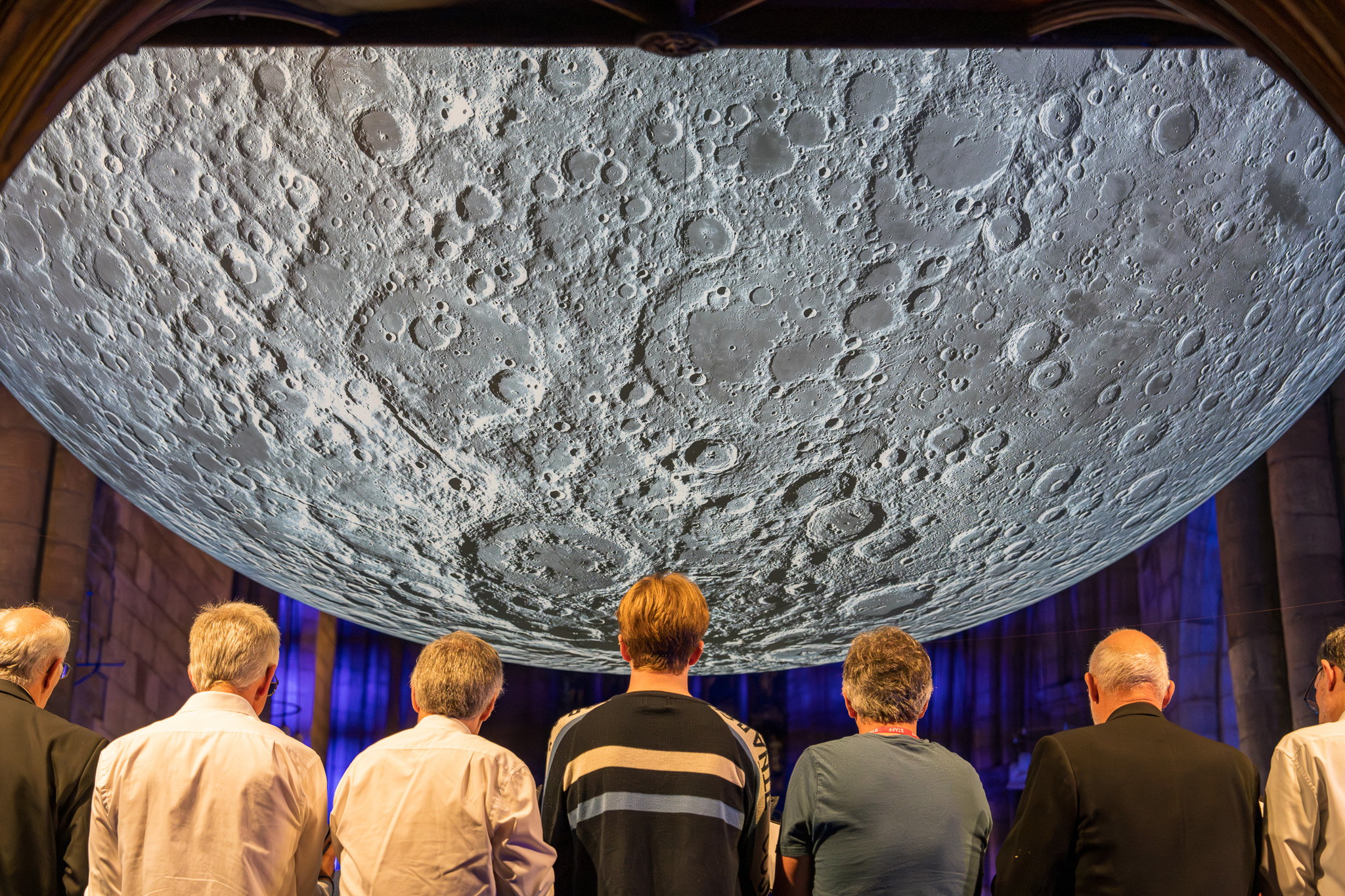
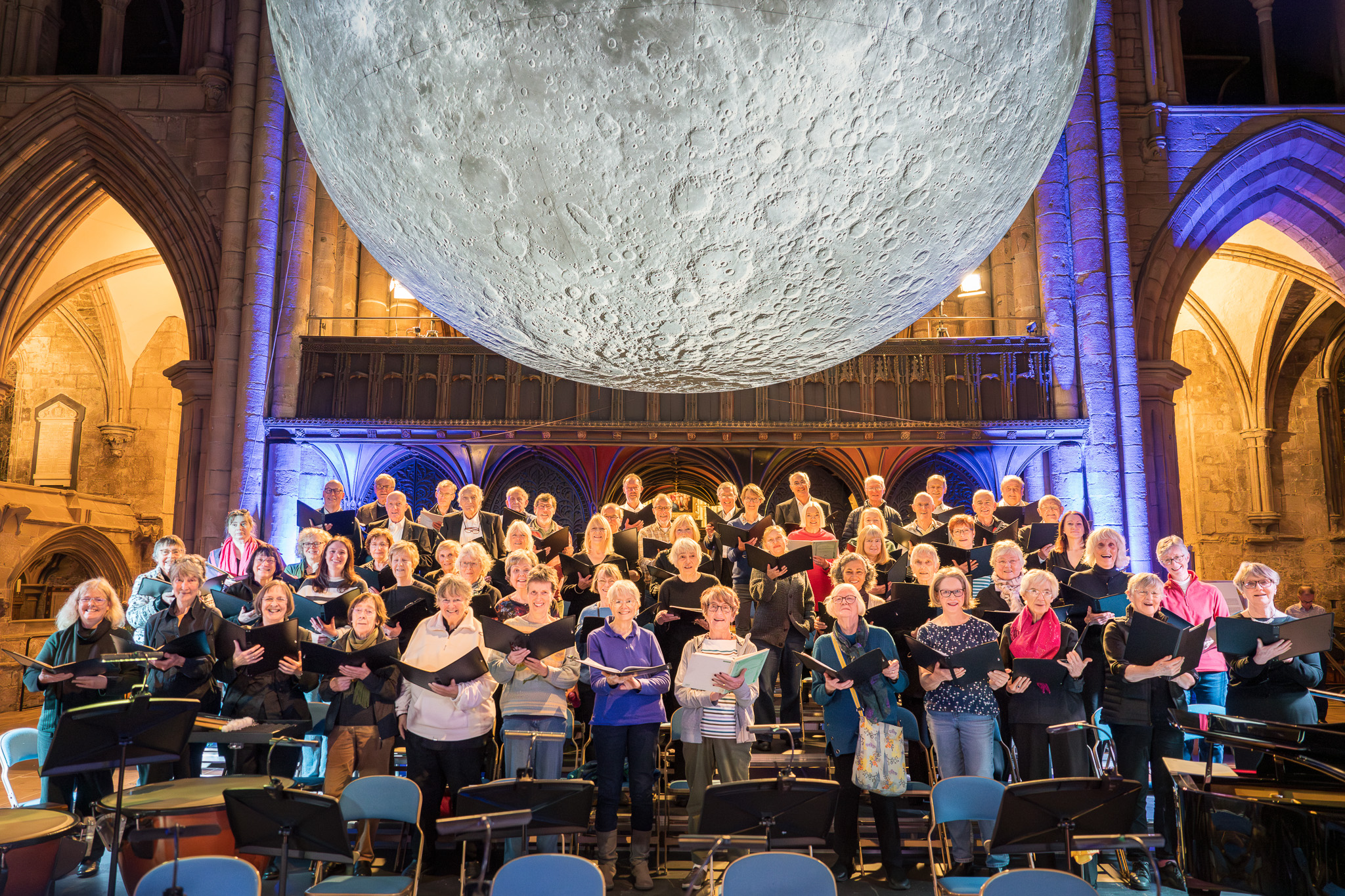
By the end, it seems, Puccini’s Mass is less a celebration of religious faith than of the joy of making music. Its drama lies not in the intensity of spiritual hope, despair and redemption than in the ever-shifting materiality of human-made sounds, the interplay of the percussive and the still, the reflective and the raucous, the soaring and the calm. This mass may have been performed in an Abbey but it took place under the moon, not something that usually features in Christian worship. It was followed by a chamber orchestral transcription of Gustav Holst’s The Planets suite, composed in the same period as La Rondine, 1913-19017.
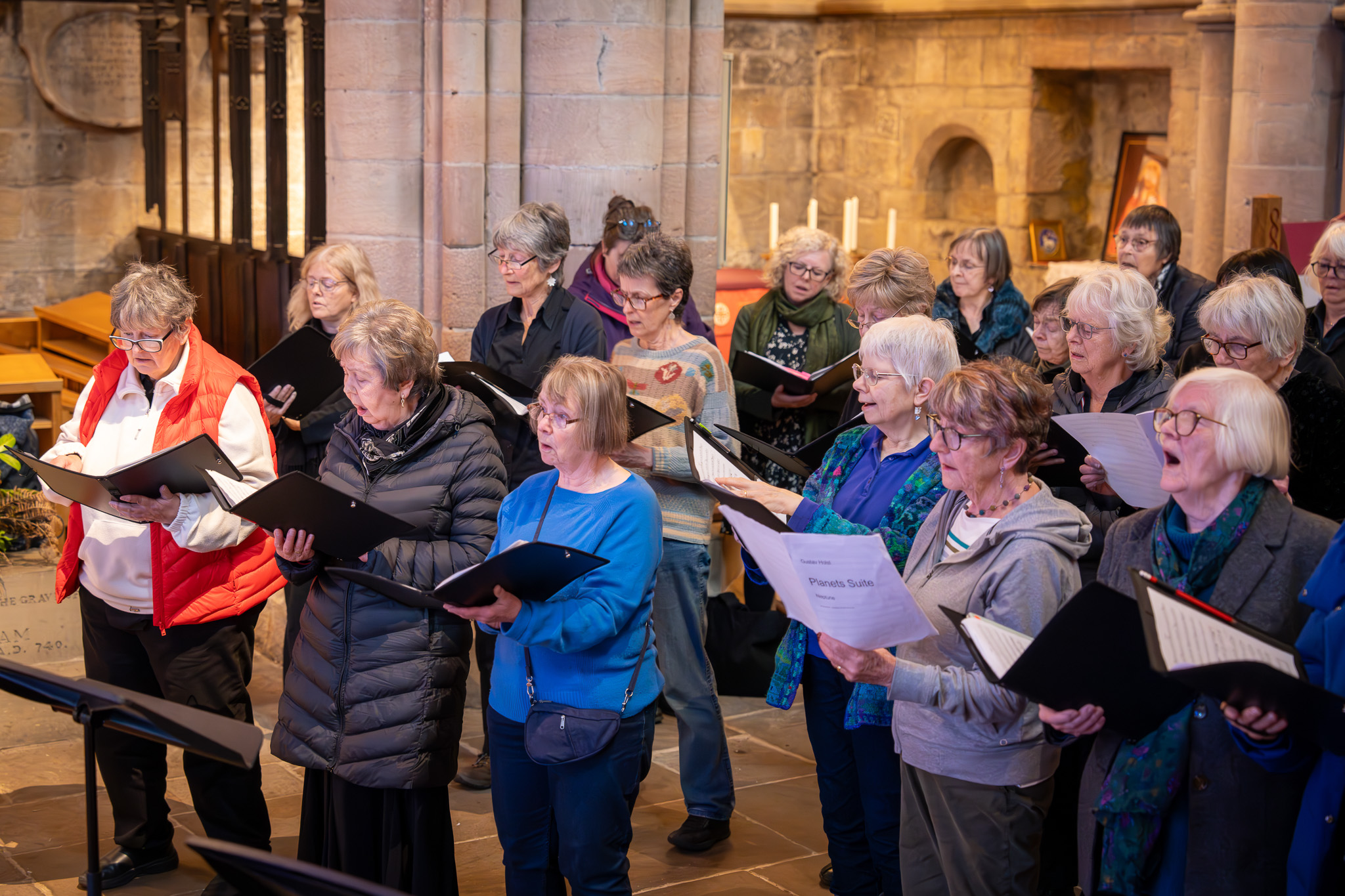
This was a work that also seemed to look forward to film music, to what the programme notes neatly describe as ’space music’. The Planets may feature gods, but Greek gods who were understood more in terms of their familiar humanity than their superhuman magnificence. When the (unseen) sopranos and altos of the Orpheus Choir added their wordless voices into the closing moments of Neptune, rising above the instruments and then fading imperceptibly away it was, indeed, as if the moon itself was sighing.
Simon Frith
 Hexham Orpheus Choir
You must be logged in to post a comment.